Beyond the Royalty: Unmasking the Rebels, Misfits, and Unsung Heroes of the Vine
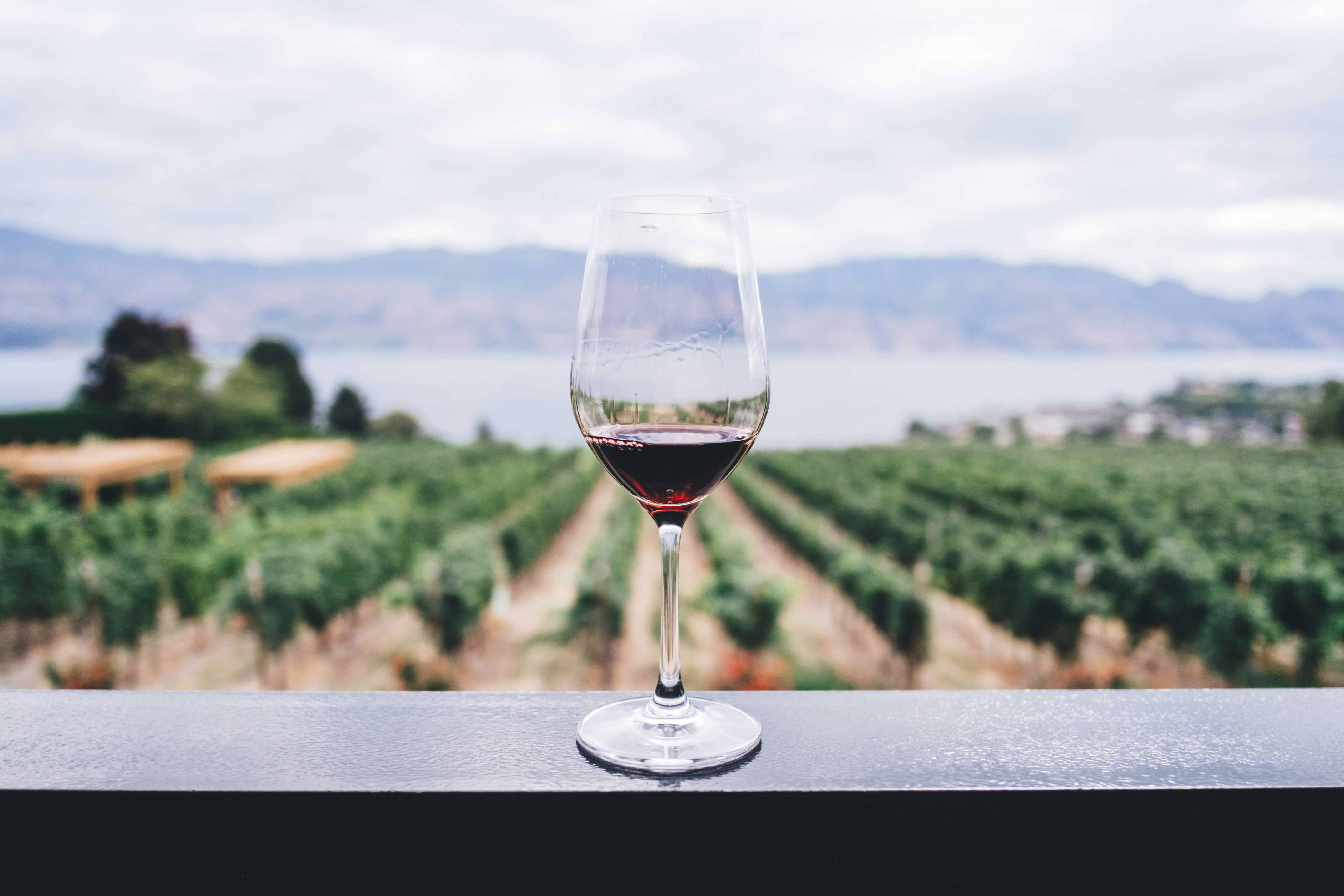
Beyond the Noble Grapes: 4 Underrated Wine Grapes You Should Be Drinking
There is a rather peculiar bit of snobbery built into the world of wine. Wander down the wine aisle, open a traditional wine guide or spend five minutes listening to someone explain why their favourite Bordeaux is “very serious indeed” and you will quickly encounter the same familiar names: Cabernet Sauvignon, Chardonnay, Sauvignon Blanc, Pinot Noir, Merlot and Riesling.
They are the aristocracy of the vineyard. The blue bloods. The ones with the ancestral estates, the grand châteaux and, presumably, their own lawyers.
These so-called noble grapes have earned their reputations for very good reasons. They can produce exceptional wines, age beautifully and have shaped some of the world's most famous wine regions. But wine would be a terribly dull business if we stopped there.
If you only ever drank the traditional grape royalty, your wine life could eventually become about as thrilling as a beige corporate boardroom. Pleasant enough. Technically competent. Nobody spilling anything. But where is the fun?
There is a huge world of brilliant, characterful and criminally underrated wine grapes sitting just outside the traditional noble grape shortlist. Some are hiding in famous regions. Others are quietly making exceptional wines in places that rarely get the same attention as Bordeaux, Burgundy or Napa. And quite a few offer something the usual suspects sometimes struggle with: genuine surprise.
So, if you are ready to venture beyond Cabernet Sauvignon and Chardonnay, here are four underrated wine grapes that deserve considerably more attention, along with a few very good reasons to put them on your next bottle list.
1. Nebbiolo: The Mist Wreathed Heartbreaker
Nebbiolo is one of those grapes that looks innocent until it gets into your glass and starts causing problems.
Originating in Piedmont in northwestern Italy, Nebbiolo takes its name from nebbia, the Italian word for fog. The vineyards of the Langhe hills are famously prone to autumn mists, which sounds romantic until you realise the grape itself has an equally complicated personality.
In the glass, Nebbiolo can look surprisingly delicate. Its colour is often pale ruby, sometimes almost translucent, making it look rather like a refined Pinot Noir that has no intention of upsetting anyone.
Then you taste it.
Barolo and Barbaresco, two of the world's most famous Nebbiolo wines, can deliver formidable tannins, bracing acidity and remarkable aromatic complexity. Think sour cherry, dried rose petals, violets, liquorice, leather, earth and the rather intriguing smell of tar. Yes, tar. Wine is an odd hobby.
Young Nebbiolo can be fiercely structured and wonderfully demanding, while mature examples can become hauntingly elegant as those powerful tannins soften with time. It is a grape that rewards patience, food and, preferably, a willingness to let a bottle breathe before immediately declaring that something has gone terribly wrong.
And food is where Nebbiolo really comes into its own. Rich Italian dishes, slow cooked meats, earthy mushrooms, truffles, aged cheeses and hearty pasta dishes all make excellent partners. The combination of high acidity and serious tannin means Nebbiolo is particularly good at cutting through rich, fatty food.
If you normally reach for Pinot Noir when you want an elegant red, Nebbiolo is well worth exploring. It offers some of that aromatic finesse, but with significantly more attitude.
Explore more wine discoveries with SavvySipper
2. Albariño: The Atlantic Ocean in a Glass
If Sauvignon Blanc has become your default answer whenever someone asks for a crisp white wine, it may be time to broaden the horizons slightly.
Enter Albariño.
Grown particularly in Spain's northwestern Rías Baixas region, Albariño thrives in a cool, damp Atlantic climate. This is not exactly sun loungers and endless blue skies territory. It is coastal Galicia, where the weather has a habit of reminding everyone that the Atlantic is very much in charge.
The grape's thick skins help it cope with the wet conditions, while the resulting wines are typically vibrant, aromatic and packed with refreshing acidity. Expect flavours and aromas ranging from lime and lemon to white peach, green apple, citrus blossom and subtle herbal notes, often accompanied by a distinctive saline or mineral character.
That saline quality is one of the reasons Albariño is such a spectacular match for seafood.
Oysters, prawns, mussels, crab, grilled fish and shellfish dishes all get along rather splendidly with a chilled glass of Albariño. If oysters could choose their own wine, they would probably select Albariño, ask for a second bottle and then pretend not to know you.
Albariño is also an excellent choice when you want something refreshing without ending up with a wine that tastes like somebody dissolved a lemon sweet in tap water.
It has enough texture and fruit to make it interesting, enough acidity to keep it lively and enough personality to work beautifully at the dinner table. It is one of those wines that can be enjoyed casually but still rewards a little attention.
For anyone looking to discover underrated white wine grapes, Albariño should be near the top of the list.
Find more smart wine choices with SavvySipper
3. Touriga Nacional: Portugal's Dark, Velvet Scented Secret
Portugal has never really been short of interesting grapes, but Touriga Nacional remains one of its most impressive.
Historically associated with the production of Port, Touriga Nacional is a thick skinned, naturally concentrated grape capable of producing deeply coloured, powerful and intensely aromatic wines. It is often blended with other Portuguese varieties, particularly in Port production, but increasingly deserves attention as a grape capable of making superb dry red wine in its own right.
Its character sits firmly at the richer end of the spectrum. Think wild blueberry, blackberry, violets, dark chocolate, herbs and, in some examples, an intriguing eucalyptus character. The wines can have considerable structure and concentration without simply becoming a wall of fruit and alcohol.
This is particularly interesting for Cabernet Sauvignon drinkers.
Touriga Nacional can deliver the concentration, tannic structure and dark fruit intensity you might look for in Cabernet, but it brings a distinctly Portuguese personality to the party. It is a reminder that excellent full bodied red wine does not have to begin and end with Bordeaux varieties.
Dry Touriga Nacional from Portugal's Douro and Dão regions is particularly worth seeking out. These wines can be remarkably sophisticated, combining ripe dark fruit with floral aromas, savoury complexity and a firm but polished structure.
And there is something rather satisfying about discovering a grape that has been sitting in plain sight for generations while the rest of the wine world has been busy arguing about Bordeaux.
Touriga Nacional is proof that some of the most exciting wine discoveries are not necessarily new. Sometimes they have simply been waiting for everyone else to catch up.
See what SavvySipper can help you discover next
4. Grüner Veltliner: Austria's Peppery Rebel
Grüner Veltliner is the sort of grape that makes you wonder why everyone else has been talking about Sauvignon Blanc for quite so long.
Austria's signature white grape produces wines that can be wonderfully crisp and refreshing, but they also have a distinctive savoury and spicy personality that makes them instantly recognisable once you know what to look for.
Green apple, citrus, fresh herbs, white pepper and mineral notes are common characteristics, with the best examples combining energetic acidity with surprising texture and complexity.
The white pepper note is particularly characteristic. It gives Grüner Veltliner a little extra personality and helps separate it from the endless parade of citrus driven whites that can occasionally blur into one large glass of lemon flavoured ambiguity.
Another major advantage is its extraordinary versatility with food.
Grüner Veltliner can work beautifully with vegetables, salads, fresh herbs, seafood, poultry and lighter Asian inspired dishes. It has enough acidity to keep things lively, but enough texture and savoury character to stand up to foods that can leave more delicate white wines looking slightly overwhelmed.
It is also a brilliant choice for people who think they do not like white wine because they find many examples too sweet, too fruity or simply too predictable.
A good Grüner Veltliner is refreshing without being simplistic, aromatic without becoming perfumed and distinctive without requiring a three page tasting note and a small committee.
In other words, it gets on with the job.
Discover more wines worth knowing with SavvySipper
Why Underrated Wine Grapes Deserve More Attention
There is a very good reason the classic noble grapes dominate wine lists and supermarket shelves. They are reliable, commercially important and capable of producing outstanding wines across a range of regions and price points.
But familiarity can easily become habit.
And habit is not necessarily what you want when you are choosing wine.
Exploring lesser known grape varieties is one of the easiest ways to make wine more interesting without necessarily spending more money. You do not have to become a sommelier. You do not need to memorise the soil composition of every vineyard in Burgundy. You certainly do not need to start referring to wine as having “a delightful mineral tension” at dinner unless you genuinely want your friends to stop inviting you.
Instead, start with one unfamiliar grape.
Try an Albariño instead of your usual Sauvignon Blanc. Pick up a Grüner Veltliner when you would normally choose Chardonnay. Give Touriga Nacional a chance when you are tempted by Cabernet Sauvignon. And if you are feeling particularly adventurous, bring home a bottle of Nebbiolo and give it the food, glassware and time it deserves.
You may discover a new favourite.
The Savvy Verdict
The traditional wine canon is a perfectly respectable place to visit, but you probably would not want to live there permanently.
Cabernet Sauvignon, Chardonnay, Pinot Noir, Merlot, Sauvignon Blanc and Riesling have earned their reputations. But the world of wine is far too large to spend your entire drinking life ordering the same six grapes because they have good publicists.
Nebbiolo brings elegance, power and an impressive amount of attitude. Albariño delivers freshness, salinity and a near supernatural ability to make seafood taste even better. Touriga Nacional proves Portugal can produce seriously impressive dry reds beyond the familiar Port category. Grüner Veltliner brings spice, freshness and the sort of food friendliness that makes dinner considerably easier.
And these are only four examples.
There are thousands of grape varieties grown around the world, many of which rarely get a mention outside their home regions. Some are obscure. Some are wonderfully strange. Some are spectacular bargains. Others are simply delicious and have been unfairly overlooked because they do not have a famous name printed in enormous letters on the label.
That is precisely why they are worth exploring.
The next time you are standing in front of a wine list or staring blankly at a shelf of bottles, resist the urge to automatically reach for the familiar. Look beyond the usual suspects. Ask what the grape is. Ask where it comes from. Try something you cannot pronounce with complete confidence.
Because the best wine discovery is often the bottle you almost did not order.
And if you would rather make those discoveries with a little less guesswork and a lot more savvy, keep exploring with SavvySipper. We are rather fond of finding the good stuff hiding in plain sight.
Bottoms up.